Long asset lives
Infrastructure is measured in decades. Software with a three-year shelf life is a liability being installed deliberately.
Energy & utilities
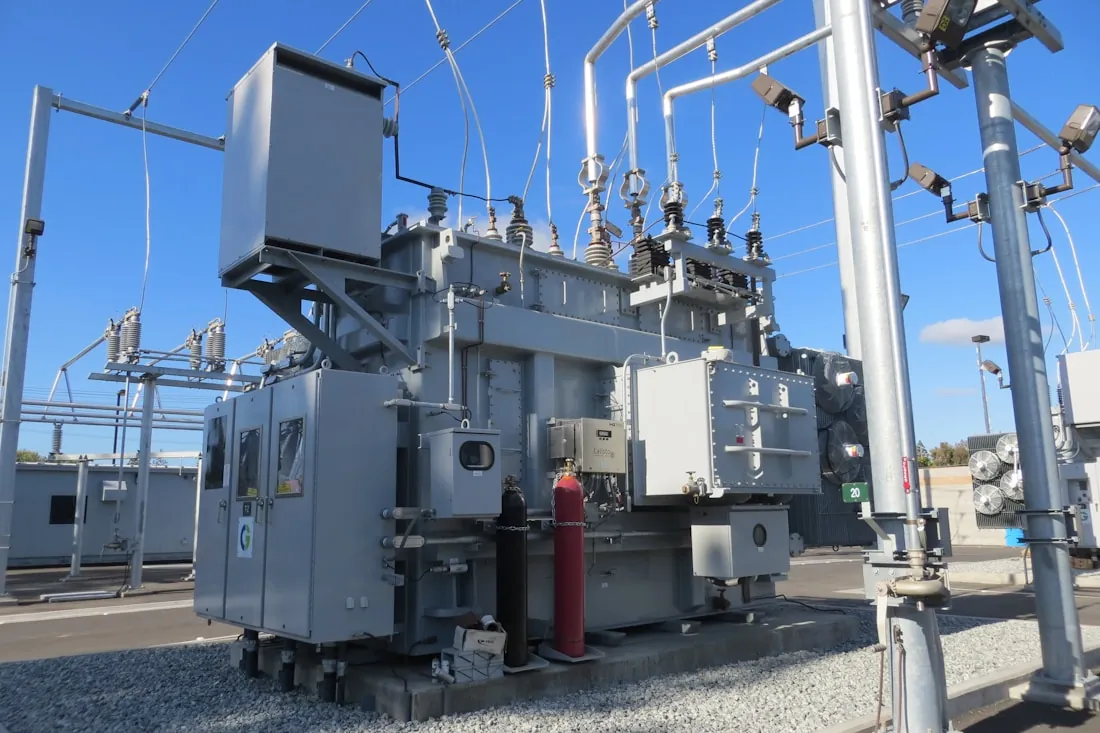
Utilities buy on a different timescale. The system you build will outlast the team that built it, the vendor relationships around it and probably the technology choices inside it. That changes what good looks like: documentation, boring technology and a genuine handover matter more here than they do anywhere else, and cleverness is a liability. Good energy and utilities software development is judged by whether a stranger can still run the system in twenty years.
“Who maintains this when none of us are here?”
The pressure
Infrastructure is measured in decades. Software with a three-year shelf life is a liability being installed deliberately.
Spending is scrutinised and has to be justified to a regulator, which changes how a business case must be written.
The grid was designed to flow one way. It no longer does, and most of the supporting systems still assume it does.
Security expectations are set by the consequence of failure, not by the size of the IT budget.
The work
Four systems, all of which will outlast every person involved in specifying them.
Condition, maintenance history and replacement planning across assets that are older than the records describing them.
High-volume ingestion and reconciliation where errors are customer bills and regulatory findings.
Dispatch, restoration and customer communication during the exact period everything is under strain.
Billing, tariffs and self-service, which is the only part of the utility most customers ever experience.
The handover
In a sector that procures against decades, the exit is not an afterthought. It is the thing being bought. The first four items are part of every engagement we run. The supervised period is something we propose and agree in writing.
The full repository including commit history, in your organisation, under your account. Not an export. Not a zip file. The actual history, because that is where the reasoning lives.
How to deploy it, how to roll it back, what breaks first, what each alert means and who would normally be called. Written for someone who has never met us.
An architecture decision record for every significant choice, including the options rejected. In twenty years this is worth more than the code.
The environment is reproducible from the repository. If your provider relationship changes, the system moves.
We propose a supervised period, typically around ninety days and confirmed in writing once scope is agreed, where your people operate it and we are available but not touching it. It is the only way to find out whether the documentation is true.
Mainstream, well-supported technology throughout. Nothing in the stack that requires us specifically, and nothing you cannot hire for in a decade. Retained work has no minimum term, and thirty days’ notice ends it.
Non-negotiable
Where AI actually lands
Worth doing
Where we stop
Anything with a direct control action on physical infrastructure. That boundary is set by regulation and by engineering practice, and both are correct to hold it.
Evidence
We have no utility reference yet. This page describes how we would approach the work and what we would commit to in writing.
How we deliver it
Platforms that hold up under real load, real compliance, and real headcount.
Threat modelling, hardening, and the evidence trail an auditor will ask for.
Architecture review, technical due diligence, and the roadmap that follows from both.
Other sectors we work in
Next step
A senior engineer reads every enquiry and replies within one business day with an honest view of what it will take, including what your own team will need to run it without us.
Certified, partnered and awarded











1/7
Discuss your project
Seven short questions. About 90 seconds. A senior engineer reads your answers before we reply. No sales sequence, no newsletter. Just a thoughtful response about what comes next.
Start here
Choose the one that comes closest.
The problem
A sentence or two is enough. Tell us what isn’t working today or what you want to make possible.
Where you are today
Choose everything that applies.
Timing
A real deadline changes how we approach the work. If there isn’t one yet, that’s useful to know too.
Scope
A range is enough. It helps us understand the right approach and team for the problem. It does not determine what we charge.
Your team
This helps us understand whether we should lead the engineering, work alongside your team, or advise your existing engineers.
Stay in touch
A senior engineer will read what you’ve shared and respond within one business day.
How would you prefer to continue?
Received
A senior engineer will review what you’ve shared and come back with the most useful next step.