CI and CD pipelines
Build, test, scan and deploy as one automated path, with the gates that matter and none of the ceremony that does not.
- Pipeline design and migration
- Automated quality gates
- Progressive and canary rollout
DevOps and platform
Teams deploy infrequently because deploying feels dangerous, and it feels dangerous because they deploy infrequently. Six weeks of work goes out in one night, and when something breaks nobody can say which of the three hundred and forty changes did it. The way out is not more careful releases. It is smaller ones, often enough that a deployment stops being an event anybody needs to stay late for. That is what our DevOps and platform work is for.
Release night
This is not an unusual evening. It is a normal one for an organisation that ships every few weeks, and every hour of it is a symptom of batch size rather than of anyone doing their job badly.
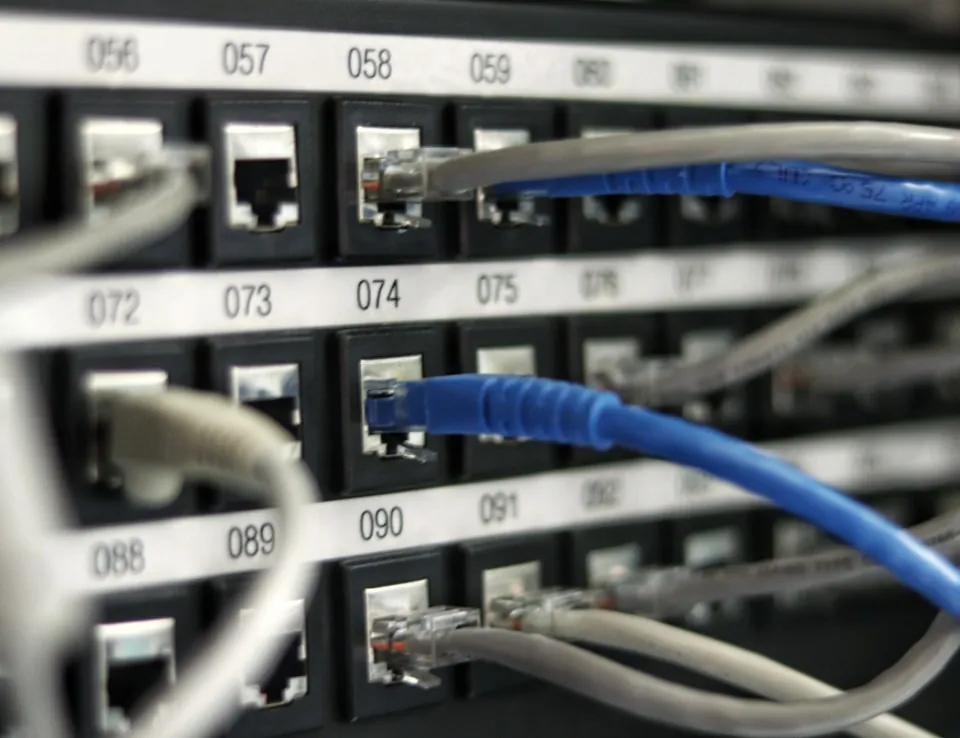
Everything merged over six weeks is now one release. Nobody has seen these changes running together anywhere except a staging environment that drifted from production months ago.
A runbook someone wrote two years ago, followed by hand. Three of the steps have comments explaining what to do if the previous step fails.
Error rates are up. The dashboard confirms it and cannot say why, because the changes went out together and the logs do not carry a release identifier.
Rolling back undoes six weeks of work including a database migration that cannot be reversed. So instead the team starts guessing, and fixing forward, at half past ten at night.
One change is identified and patched. Nobody is confident the other three hundred and thirty nine are fine, and the next release is now scheduled for six weeks away, because tonight was awful.
Every part of this is fixable, and none of the fixes are exotic. They are the same practices that let a team deploy on a Friday afternoon without a conversation about it.
The four measures
We work to the four delivery measures from the DORA research programme, which has studied engineering teams for more than a decade. They are not vanity numbers. Each is a proxy for something a business cares about, and we take a baseline of all four at the start so progress is measured rather than claimed.
Aim: routine, not an event
Small batches are easier to review, easier to test and far easier to diagnose. Frequency is not about speed for its own sake, it is about making each change small enough to understand.
Aim: hours, not weeks
The time from a merged change to that change being live and useful. This is the number your product manager actually feels, and the one that decides whether engineering can respond to anything quickly.
Aim: down, release by release
What proportion of deployments cause a problem. Automated tests, staged rollouts and real environment parity move this far more than adding another approval step ever will.
Aim: minutes, not a night
When something does break, how long until service is back. Often the most valuable place to start, because it turns an outage into an inconvenience.
Who it is for
Platform work pays off for teams that ship often, or want to, and for any organisation where a bad release costs real money. If you deploy a simple system twice a year, you need far less than this.
What we build
Build, test, scan and deploy as one automated path, with the gates that matter and none of the ceremony that does not.
Every environment defined in a repository and reproducible from scratch, so nothing important depends on a server somebody configured by hand in 2019.
Container platforms sized to what you actually run, with honest advice about whether you need one at all.
Logs, metrics and traces that answer questions during an incident instead of producing dashboards nobody opens.
Finding the spend that is buying nothing. Idle environments, oversized instances, storage nobody has read in two years and egress nobody measured.
Dependency scanning, secret detection, image signing and policy checks that run on every change rather than once a year before an audit.
I liked how accountable they were to deliverables and how they really drove development against our requests. If we made a request for development and owed them information, product information, or access to resources, they were relentless in holding us accountable to keep the project moving forward.
How we ship it faster
Platform work is unusually well suited to AI assistance because so much of it is configuration written to a known pattern: pipeline definitions, infrastructure modules, alerting rules, dashboards, runbooks and the policy files that go with them. All of it is verifiable by running it, which is the ideal condition for generated code. We use AI tooling to get the platform standing quickly, then spend the senior engineering time on the parts that need judgement: your failure modes, your compliance boundary and the rollback story. AI accelerates the work. Our engineers stay accountable for the decisions and the software that ships.
An indicative comparison, not a quote or a guarantee. The gain depends on how much of your current estate is already automated, your compliance requirements and how many services have to move. We estimate every project individually and put scope, timeline and price in writing, with a like-for-like comparison against conventional delivery, before you commit.
Handover
The point of the engagement is that you do not need us afterwards. Everything below is in your accounts, your repositories and your team, and we would rather prove that at handover than discuss it at renewal.
Everything runs in infrastructure you own and pay for directly. No reselling and no accounts in our name, so there is nothing we could hold over you.
Environments, pipelines, alerts and policies all live in your repositories. Rebuilding from scratch is a documented procedure rather than an archaeology project.
We do not sign off a pipeline until we have deployed a deliberately broken change and rolled it back on the clock, with your engineers driving.
Pairing and handover sessions through the engagement, so the people who own it afterwards were the ones building it.
Questions we get asked
Probably not, and we will say so. It is excellent when you genuinely run many services with real scaling needs, and expensive overhead when you run three. A managed container service or plain virtual machines with good automation serves most teams better, and we would rather set that up than sell complexity.
Yes, and that is usually the right place to start. We begin with an assessment: what exists, what it costs, where the risk sits and what would break if a region went down. You get that as a written document with priorities whether or not you continue with us.
Less than people expect, because we build the new path alongside the old one and move services across as they become ready. Nobody has to stop shipping while the platform is being built.
It applies more. Automated pipelines produce a complete and honest audit trail: who changed what, what was tested, what was approved and when it went out. That is considerably better evidence than a spreadsheet of manual sign-offs.
Cost work can offset part of the engagement. Idle non-production environments, oversized instances and forgotten storage are common, and none of it requires an architecture change to fix. We show you the findings with the spend attached, so you can judge the saving yourself.
We can, as a defined arrangement with 24/7 coverage and agreed response times, and we are equally happy setting up your own rotation and the escalation policy that goes with it. Long term, an internal rotation is healthier.
Deployment frequency and lead time usually move first, because the early work is removing manual steps. Change failure rate takes longer, since it depends on test coverage and environment parity catching up. We take a baseline at the start and report the four measures in our weekly written note, so you see the change rather than hear about it.
It depends on the size of the estate, how much is already automated and your compliance requirements, so we do not publish a price list. Within a week of our first call you get a written approach with a cost and time range and the assumptions behind it, which becomes a fixed proposal with scope, price and milestones when you are ready.
That is the intended outcome. Everything is in your repositories under standard tooling, documented, with your engineers already familiar with it because they helped build it.
Related services
Next step
A senior engineer reads every enquiry and replies within one business day, with an honest first view on where the risk in your release process sits and whether you need Kubernetes at all.
Certified, partnered and awarded










1/7
Discuss your project
Seven short questions. About 90 seconds. A senior engineer reads your answers before we reply. No sales sequence, no newsletter. Just a thoughtful response about what comes next.
Start here
Choose the one that comes closest.
The problem
A sentence or two is enough. Tell us what isn’t working today or what you want to make possible.
Where you are today
Choose everything that applies.
Timing
A real deadline changes how we approach the work. If there isn’t one yet, that’s useful to know too.
Scope
A range is enough. It helps us understand the right approach and team for the problem. It does not determine what we charge.
Your team
This helps us understand whether we should lead the engineering, work alongside your team, or advise your existing engineers.
Stay in touch
A senior engineer will read what you’ve shared and respond within one business day.
How would you prefer to continue?
Received
A senior engineer will review what you’ve shared and come back with the most useful next step.